
Quick answer
River kayaking on Akerselva carries moderate risk for paddlers with basic skills and proper preparation. The waterway itself is not inherently dangerous—most sections flow at a gentle pace suitable for recreational kayaking—but urban infrastructure creates specific hazards. Weirs, low bridges, submerged debris, and sudden depth changes require constant vigilance. Cold water temperatures year-round and unpredictable flow rates after heavy rain add seasonal variables. Paddlers who assess conditions beforehand, wear appropriate safety gear, and stay within their skill level can navigate Akerselva safely.
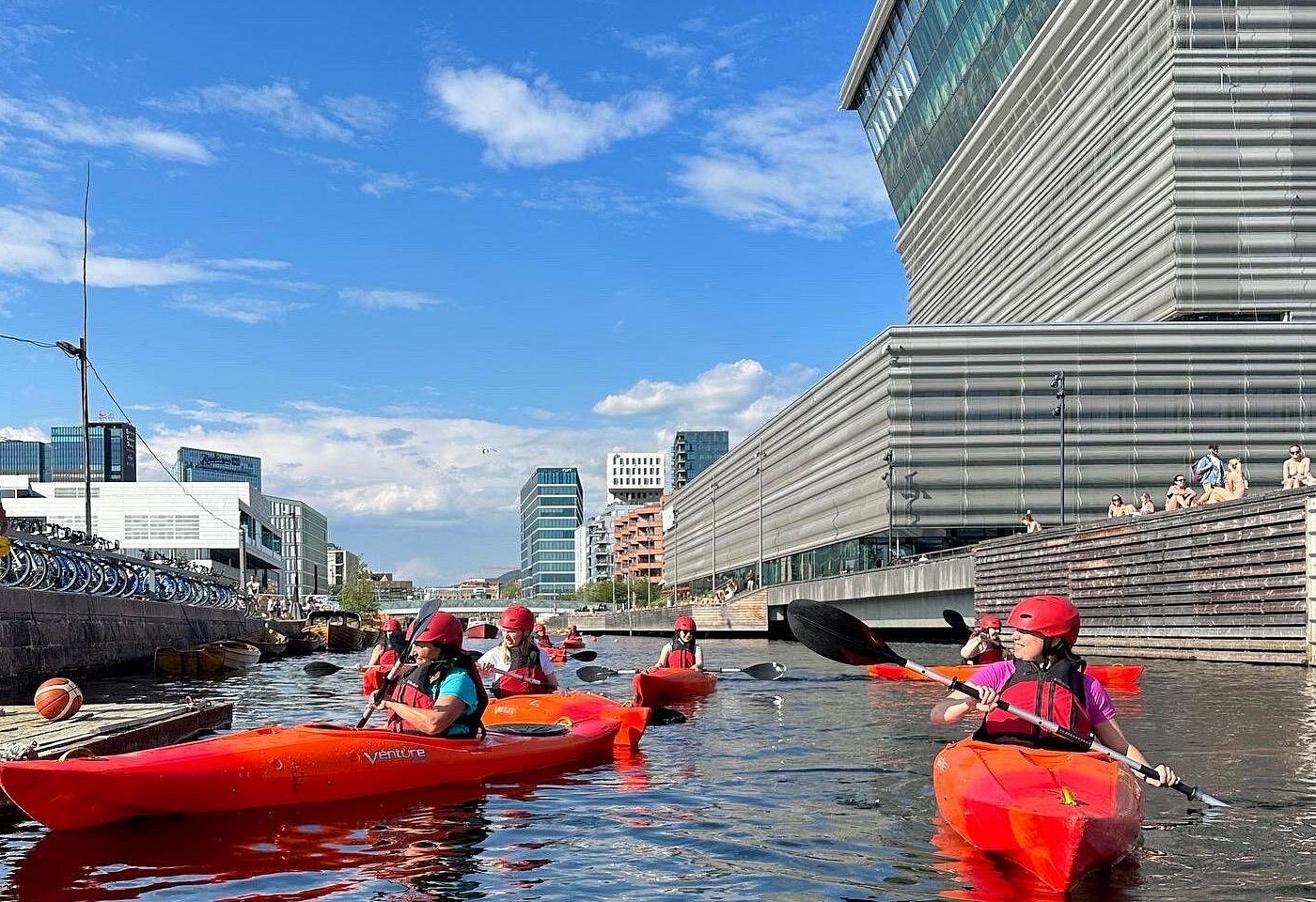
Akerselva ranks among Norway's most accessible urban waterways for kayaking, yet it remains a working river shaped by two centuries of industrial use and modern stormwater management. The current averages 0.5 to 1.5 meters per second in most sections—a pace that allows novice paddlers to maintain control while providing enough momentum to make upstream progress difficult without proper technique. This balance defines the river's character: forgiving enough for beginners in calm weather, challenging enough to punish complacency. The primary risks on Akerselva stem from infrastructure rather than natural features. Twenty-two weirs and small waterfalls punctuate the river's descent from Maridalsvannet to the harbor, most built between 1850 and 1920 to power textile mills and sawmills. Several remain as vertical drops of one to three meters, unmarked and difficult to spot from upstream. Paddlers who miss the takeout points above these structures face capsizing or entrapment in recirculating hydraulics. Low-clearance footbridges in the Grünerløkka and Sagene districts create additional obstacles—twelve bridges sit less than two meters above summer water levels, forcing paddlers to duck or portage. Water quality and temperature present the less visible dimension of kayaking safety Oslo residents often underestimate. Akerselva maintains 8 to 12 degrees Celsius even in summer due to its lake source and shaded urban corridor. Immersion without a wetsuit triggers cold shock response within seconds, and hypothermia onset begins in under ten minutes. The river carries agricultural runoff from its watershed and periodic sewage overflows during heavy precipitation, making accidental ingestion a health concern. These factors do not make the river prohibitively dangerous—they simply require preparation that casual paddlers sometimes skip. Navigating Akerselva safely depends on segment selection and real-time assessment. The stretch from Sagene to Foss Badepark offers the most straightforward paddling—no major weirs, consistent depth, and multiple exit points. The upper sections near Kjelsås feature stronger currents and less predictable water levels tied to hydroelectric releases from Maridalsvannet. The lower industrial zone past Vaterland involves tidal influence and boat traffic that changes paddling dynamics entirely. Experienced kayakers treat these as three distinct rivers requiring separate skills. Is river kayaking dangerous here? Only when paddlers fail to match their abilities to the section they choose, or when they ignore the weather patterns and water level forecasts that determine daily conditions on this compact but complex urban waterway.
“The primary risks on Akerselva stem from infrastructure rather than natural features.”
Common Mistakes: Is River Kayaking Dangerous for Beginners?
Urban river kayaking demands different skills than open water paddling. Misjudging Akerselva's character leads to avoidable incidents.
Underestimating current strength in narrow channels
The river accelerates through constrictions and under bridges. Scout sections on foot first and stay alert for flow changes after rainfall.
Ignoring water level fluctuations after heavy rain
Rain raises water levels quickly, increasing speed and creating hazards at weirs. Check recent weather and postpone if the river appears swollen or murky.
Approaching weirs or drops without inspection
Small drops look manageable but create powerful hydraulics that can trap kayaks. Portage around any structure you have not scouted from shore.
Paddling alone without informing anyone
Solo paddlers face higher risk in an urban setting with limited exit points. Always notify someone of your route and expected return time.
Wearing cotton clothing instead of synthetic layers
Cotton holds water and accelerates hypothermia in Oslo's cool conditions. Use synthetic or wool base layers and pack a dry bag with spare clothes.
Best Conditions and Timing: Is River Kayaking Dangerous in Peak Seasons?
The best arrival window is 09:00–18:00 to ensure optimal daylight for urban navigation and river visibility. Conditions vary significantly by season, primarily influenced by snowmelt and rainfall patterns.
Spring (April-May)
Low to moderateSnowmelt causes high, rapid currents
Increased flow requires advanced skill levels.
Summer (June-August)
Moderate to highStable, warm, low precipitation
Ideal for consistent water levels and recreation.
Autumn (September-October)
ModerateHigher rainfall, cooler temperatures
Increased river volume may occur after storms.
Weekday mornings
Minimal—
Best for quiet waters and calm navigation.
Verdict: The best time to visit is during the summer months of July or August, specifically arriving within the optimal window of 09:00–18:00 for the best daylight and water visibility.
Safety Rules: Is River Kayaking Dangerous Without Proper Conduct?
Akerselva flows through densely populated Oslo neighborhoods, demanding vigilance around pedestrian bridges, narrow passages, and urban wildlife. Proper conduct protects paddlers and respects the waterway's dual role as recreation corridor and ecological habitat.
Do
- Wear a correctly fitted PFD at all times on the water
- Carry a whistle and waterproof phone case for emergency signaling
- Yield to pedestrians on footbridges and maintain safe clearance distances
- Inspect your kayak for leaks and secure all loose gear before launching
- Stay seated and centered when navigating under low bridges or culverts
- Inform someone onshore of your route and expected return time
Don't
- Paddle alone if you lack experience with urban river hazards
- Ignore weather forecasts or launch during high water or storm warnings
- Approach nesting waterfowl or disturb vegetation along the riverbanks
- Assume all bridge clearances are safe without checking current water levels
- Wear cotton clothing that retains water and accelerates hypothermia risk
- Leave trash or gear unattended at put-in and take-out points
Essential Gear: Is River Kayaking Dangerous If You Lack Preparation?
Urban river kayaking in Akerselva requires specific safety equipment to mitigate hazards from shallow rapids, concrete structures, and cold water.
-
Wear a certified life jacket — Norwegian maritime law mandates personal flotation devices for all paddlers, regardless of swimming ability.
-
Secure a waterproof communication device — Cell coverage is reliable in Oslo, but submersion risk requires waterproof protection for emergency contact.
-
Carry a whistle or signal device — Audible alerts are critical when navigating under low bridges or around blind corners with pedestrian traffic.
-
Pack a first-aid kit in dry storage — Abrasions from concrete embankments and hypothermia risk from 8–15°C water demand immediate treatment capability.
-
Confirm helmet availability if using a tour operator — Head protection is non-negotiable for sections with low clearance and submerged obstacles near Grünerløkka.
-
Check weather and water flow 24 hours prior — Spring meltwater and heavy rain can elevate current speed beyond Class II, altering risk profiles significantly.
Check availability
Frequently Asked Questions: Is River Kayaking Dangerous on Akerselva
Everything you need to know about is river kayaking dangerous